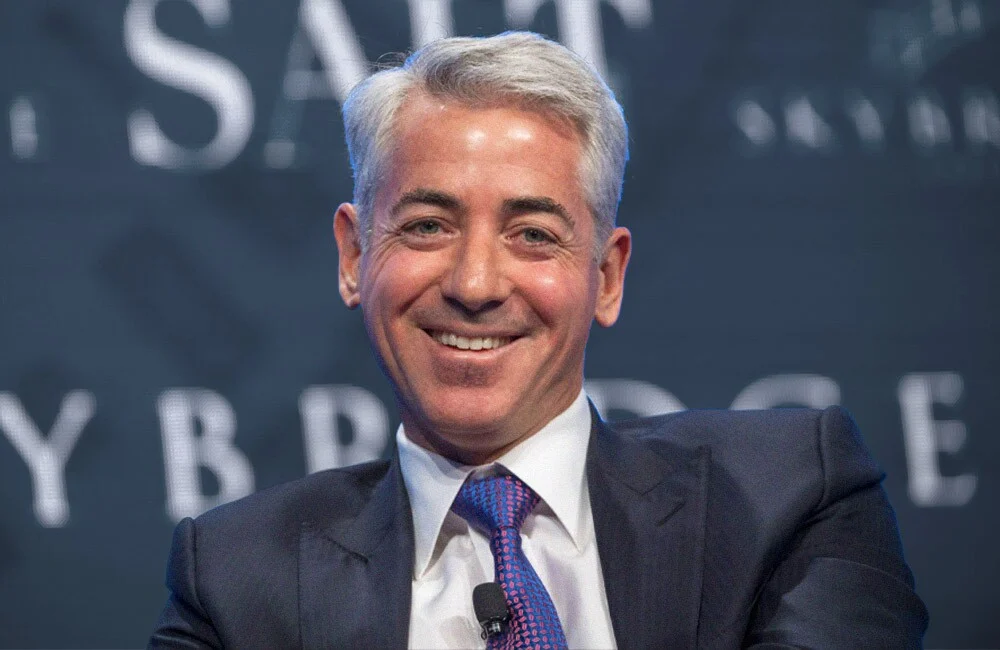
In the investment world, the moves of major managers always make waves. This time, the spotlight is on Bill Ackman, founder and CEO of Pershing Square Capital Management, known for his strategy of maintaining highly concentrated, high-conviction portfolios.
Recent regulatory filings revealed that the renowned billionaire has completed the sale of his entire remaining stake in Alphabet (Google’s parent company), zeroing out the position after having already begun trimming it in previous months.
It’s a decision that has caught many analysts off guard, especially considering the stellar financial performance of the Mountain View tech giant, but it fits neatly into a precise capital rotation strategy.
The End of the Alphabet Era for Pershing Square
The love story between Pershing Square and Alphabet began in the first quarter of 2023, at a time when markets feared that the arrival of ChatGPT and the rise of generative artificial intelligence might disrupt Google’s dominance in web search. In that climate, Ackman spotted a value opportunity, accumulating millions of shares.
Over the past 18 years—or rather, the past 18 months—however, the narrative has flipped: Alphabet successfully rode the AI boom (thanks to the success of Gemini and the strong growth of Google Cloud), and its shares practically doubled. Despite stellar financial reports, featuring record revenue growth and soaring profits, Ackman chose to cash out and definitively part ways with the stock.
Why Did Ackman Sell?
Commenting on the initial partial sales in the past, Ackman himself clarified that the move did not reflect a long-term bearish view on Alphabet: “Our sale is not a bet against the company, on which we are very bullish. But at current prices and with limited capital, we used Alphabet as a source of liquidity.”
Additionally, on the fundamentals front, markets began to question the massive infrastructure investments going into AI: Alphabet significantly raised its capital expenditure (capex) guidance, fueling short-term anxieties regarding near-term cash generation.
Where Did the Capital Go? The New Bet on Netflix
With the liquidity gained from selling Alphabet (and other strategic positions), Pershing Square hasn’t stayed idle. Around the same time, the fund decided to double down on another tech giant seeking a comeback: Netflix.
The fund built a multimillion-dollar position by purchasing over 13 million shares of the streaming giant, taking advantage of a market correction that had seen the stock drop significantly from its historic highs.
While Alphabet had become a celebrated winner trading close to peak valuations tied to AI hype, the move into Netflix mirrors Ackman’s classic “contrarian” approach: hunting down solid market leaders that are temporarily penalized by short-term market pessimism.
What Can We Learn from This Move?
For retail investors and personal finance enthusiasts, Bill Ackman’s strategy offers several key takeaways:
- Capital Allocation Beats Individual Stocks: Even if a company enjoys an exceptional business and a bright outlook (like Alphabet), a portfolio manager must continually evaluate the opportunity cost of their capital. If an asset has surged and another offers a better risk/reward ratio, rotation is inevitable.
- Taking Profits Isn’t a Taboo: Selling a winning stock doesn’t necessarily mean losing faith in its future; it can simply mean cashing in on success to rebalance the portfolio.
- Seeking Value Where There Is Skepticism: Shifting funds toward stocks that have corrected from their peaks (as done with Netflix) once again highlights the importance of buying when the market prices in overly severe scenarios.
What do you think of Bill Ackman’s move? Would you have held onto your Alphabet shares or made a similar rotation? Let us know in the comments!